
What Is Specialty Coffee? And Why It Matters in Your Daily Cup?
Updated: Dec 12, 2025

Coffee may be part of your morning routine, but specialty coffee turns that routine into something meaningful. It’s not just a type of coffee - it’s a higher standard. A commitment to quality, care, and traceability from farm to cup.
If you’ve ever wondered what “specialty” really means, how coffee earns that label, and whether it’s worth drinking, this guide breaks it down simply and clearly.
What Exactly Is Specialty Coffee?
Specialty coffee represents the top tier of coffee quality - typically the top 5–7% of all coffee grown in the world.
To be classified as specialty, coffee must score 80+ points on the Specialty Coffee Association (SCA) scale, evaluated by certified Q-graders. This rigorous scoring looks at:
Aroma
Flavor
Acidity
Body
Balance
Sweetness
Clean cup
Aftertaste
But specialty coffee is more than just a number. It’s a philosophy:
Grow with care. Pick with precision. Process with intention.
Roast with mastery. Brew with respect.
Every step in the journey matters - and that’s what makes each cup exceptional.
Think of specialty coffee as the “fine wine” of the coffee world - grown with intention, analyzed scientifically, and appreciated for its complexity.

How the Specialty Coffee Score Is Created?
The scoring process is detailed, objective, and performed by certified experts known as
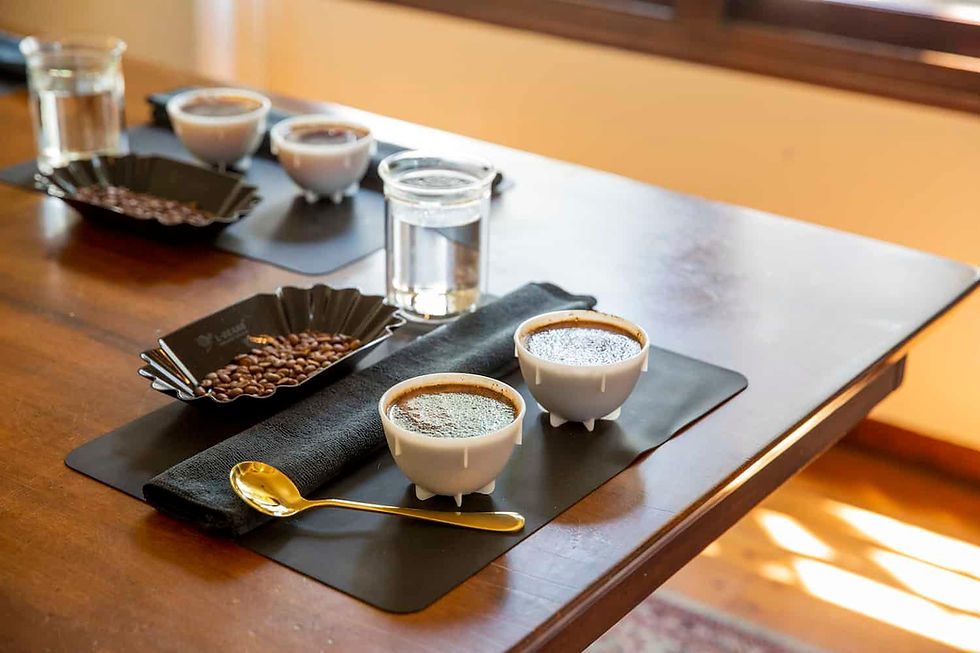
Q Graders who evaluate samples through a process called cupping, which involves:
Smelling the dry grounds
Breaking the crust and assessing aroma
Tasting multiple spoonfuls at different temperatures
Scoring flavor attributes
Each attribute is graded on a scale from 6 to 10 and then added together:
If the final score is 80-84.99, it is considered Very Good; 85-89.99 is Excellent; 90+ is Outstanding. Most exceptional coffee microlots - like those used in specialty roasts - fall between 86 and 89 points, offering vibrant, nuanced flavors that cannot be found in commodity-grade coffee.
The Specialty Coffee Association (SCA) is the organization responsible for:
Setting universal grading standards
Training and certifying Q Graders
Establishing cupping protocols
Defining what qualifies as “specialty”
Supporting sustainability and farmer education
Their mission ensures that specialty coffee is not just a marketing term, but an industry-wide commitment to quality, fairness, and transparency.
Because of associations like the SCA, customers know that when a coffee is called specialty, it has been held to the highest global standards - from farm to final cup.
What Sets Specialty Coffee Apart?
Here are the qualities that make specialty coffee truly special:
1. High-Quality Beans From the Start
Specialty coffee begins at the farm. Beans are typically:
Grown at high altitudes
Shade-grown for better flavor development
Hand-picked only when fully ripe
Processed carefully to avoid defects
Only the best, cleanest, most flavorful beans make the cut.
2. Traceability & Transparency
Specialty coffee always has a story. You know:
The region
The farmers
The cooperative
The altitude
The processing method
At Brew Line Coffee, for example, every bag traces back to over 1,000 smallholder farmers of ASOBAGRI in Guatemala - people who grow coffee with tradition and deep respect for the land.
3. Ethical & Sustainable Practices
Specialty coffee often overlaps with organic, Fairtrade, and eco-friendly farming - because high quality comes from healthy land and honorable labor practices.
4. Small-Batch Roasting
Specialty beans are roasted in small batches (like ours in Chicago at Tailwind Roasting) to bring out their unique flavor notes - not to mass-produce generic taste profiles.
5. Flavor You Can Actually Taste
Because the beans are pure and free from defects, the natural flavors shine. Expect:
Bright acidity
Natural sweetness
Layered complexity
Notes like chocolate, citrus, berry, floral, caramel, hazelnut, or spice
Every cup becomes an experience, not just caffeine.

Why Does Specialty Coffee Matter?
1. Better Taste
Let’s start with the obvious - specialty coffee tastes better. It’s cleaner, smoother, more aromatic, and more expressive. You’re not just drinking coffee. You’re tasting craftsmanship.
2. Better for Your Health
High-quality beans + no defects + cleaner farming practices =A more natural, purer cup.
Defects and poor processing in low-grade coffee can introduce bitterness, toxins, or mold -specialty coffee avoids these issues from the start.
3. Better for the Farmers
Specialty coffee pays farmers higher prices. This supports:
Healthier working conditions
Better livelihoods
Long-term sustainability
Investment back into farms and communities
When you buy specialty coffee, you are supporting real people and real families.
4. Better for the Planet
High-quality coffee relies on:
Shade-grown farming
Biodiversity
Chemical-free cultivation
Soil protection
Specialty growers are incentivized to care for the land - because better land means better beans.
5. Better Brewing Freedom
Specialty coffee performs beautifully across all methods:
Pour-over
French Press
Espresso
Drip
AeroPress
Cold brew
No matter how you brew, quality beans make the difference.

Brew Line Coffee: Organic Specialty Coffee with Chicago Spirit
We believe coffee should do more than wake you up - it should connect you to something bigger. Specialty coffee is more than a label - it’s a promise.
A promise of:
Quality
Transparency
Sustainability
Fairness
Craftsmanship
Flavor that reflects the land it came from
Our specialty coffee blends start high in the mountains of Santa Cruz Barillas, Guatemala and are roasted locally in Chicago - with intention, precision, and respect for the craft.
Each Brew Line Coffee bag represents:
1,000+ smallholder farmers cultivating organic beans
Shade-grown, hand-picked cherries at peak ripeness
Small-batch roasting that keeps flavor pure and fresh
The heartbeat of Chicago, captured in every sip
If you're ready to taste the difference, explore our organic, locally-roasted Chicago blends at:


Comments